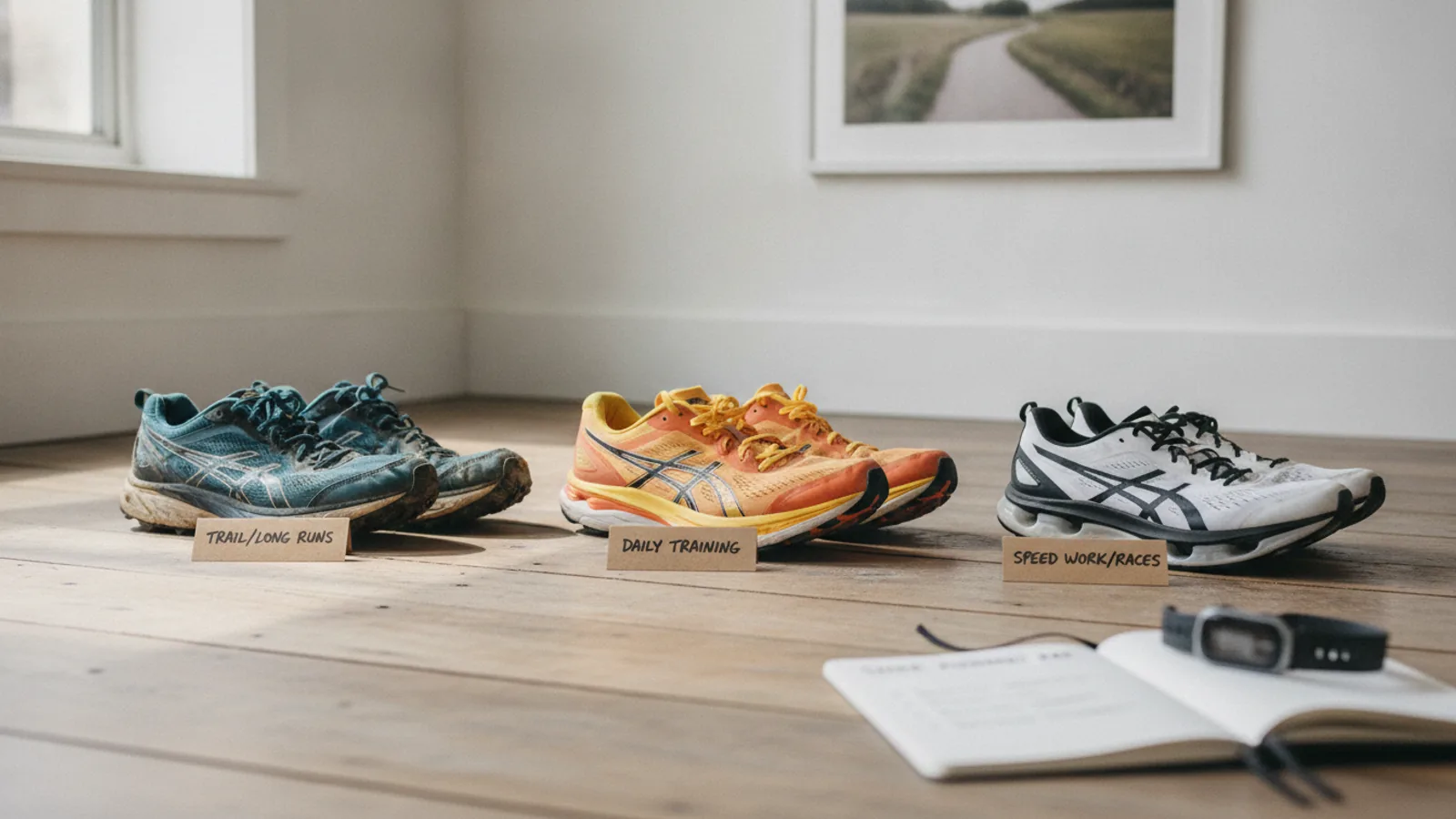
What To Wear For A Race Morning
A practical step-by-step guide to what to wear for a race morning, including preparation, instructions, common issues, tips, and next steps.
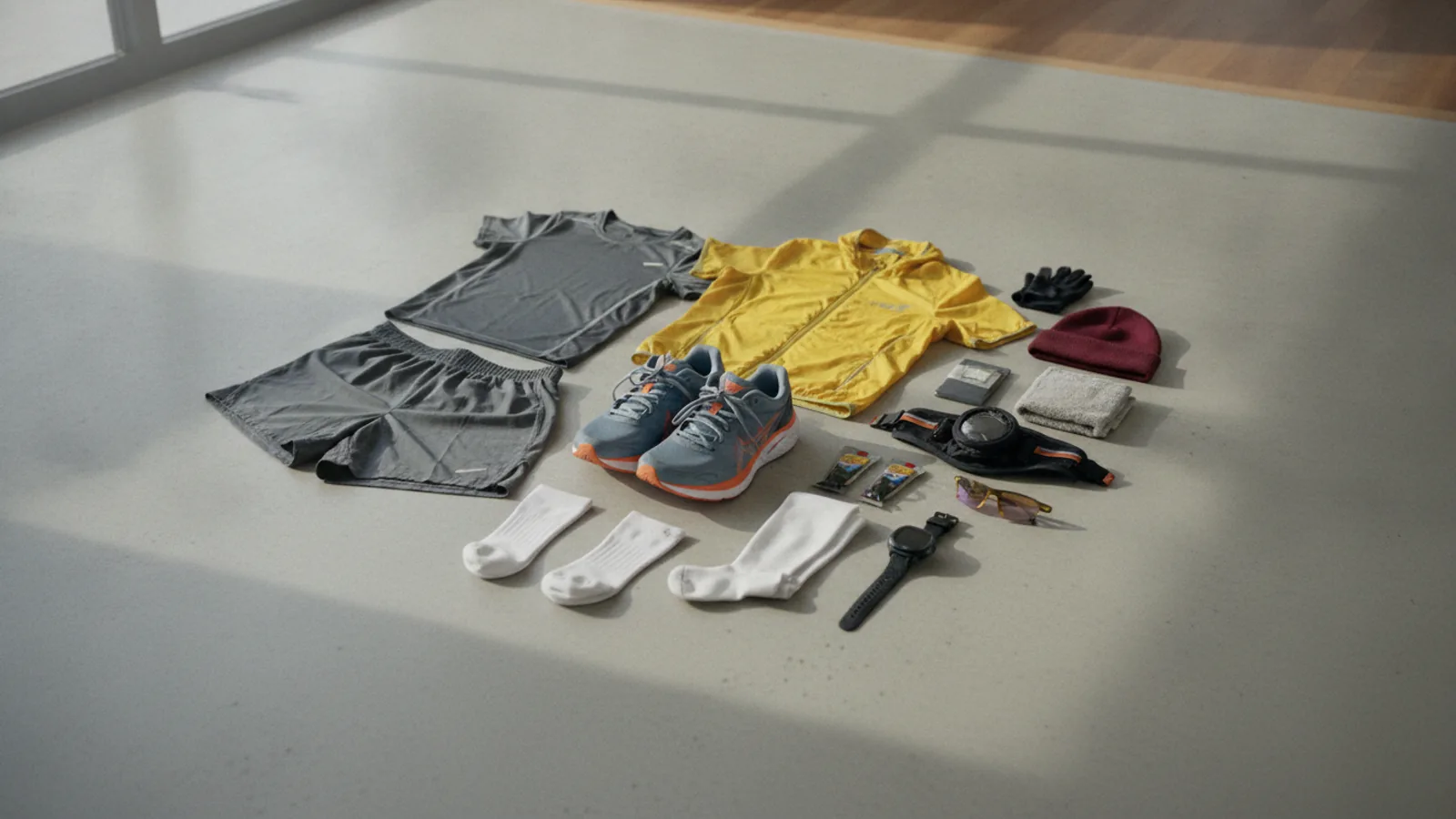
What To Wear For A Race Morning
This guide explains how to approach what to wear for a race morning, including the preparation, practical steps, common mistakes, and final checks that help you finish with confidence.
Before You Start
Step-by-Step Instructions
Quick Reference
Common Problems When You Plan What To Wear For A Race Morning
Even with careful planning, things can sometimes go wrong. Being aware of these common issues can help you react quickly or prevent them entirely.
Chafing
Problem: Skin irritation caused by clothing or skin rubbing together, often in sensitive areas like inner thighs, underarms, nipples, or under a sports bra strap. It can be incredibly painful and impact your running form.
Fix: Prevention is key. Apply anti-chafing balm, petroleum jelly, or specialised body glide to any areas prone to rubbing *before* you start. Ensure your clothing fits well – not too loose that it bunches, and not too tight that it digs in. Opt for seamless designs where possible. If chafing starts during the race, adjust your posture if safe to do so, or use aid station petroleum jelly if available.
Being Too Hot or Too Cold
Problem: Misjudging the temperature and either overheating early in the race or shivering through the first few miles.
Fix: This usually comes down to not accurately dressing for the "feels like" temperature, or forgetting the "10 degrees warmer" rule for running. If you're too cold at the start, use disposable layers. If you're too hot, you've likely over-dressed. Unfortunately, during the race, you can't shed layers easily if you don't have a plan. For future races, re-evaluate your layering strategy based on your experience. Practise your race day outfit on similar temperature training runs.
Blisters
Problem: Friction on the feet, often caused by ill-fitting shoes, cotton socks, or wet feet, leading to painful blisters.
Fix: Wear well-fitting, moisture-wicking running socks (never cotton). Ensure your running shoes are well-broken-in and fit correctly – neither too tight nor too loose. Lacing techniques can help address specific pressure points. If you know you're prone to blisters in certain spots, apply anti-chafing balm or athletic tape to those areas before the race.
Forgetting Essential Gear
Problem: Arriving at the race start only to realise you've forgotten your race bib, pins, charged watch, or even your favourite running socks.
Fix: This is why laying out your kit the night before is so important. Use a checklist (like the one at the end of this guide). Pack your race bag early, and do a final visual check before you leave the house. Having a designated "race bag" that's always ready with basic essentials can also help.
Race Bib Issues
Problem: Your race bib flapping, falling off, or covering your GPS watch, leading to irritation or lost data.
Fix: Attach your race bib securely the night before. Use at least four pins, one in each corner, to prevent flapping. Some runners use a race belt to hold their bib, which avoids putting holes in their top and can be easily adjusted. Ensure the bib is placed where it won't interfere with your watch reading your heart rate or GPS signal.
Advanced Tips for What To Wear For A Race Morning
Once you've mastered the basics of race morning dressing, these advanced tips can fine-tune your approach for optimal comfort and performance.
Practice Your Race Day Outfit
Don't just pick your gear; run in it! During your training block, especially for long runs, wear your exact race day outfit. This includes your shoes, socks, shorts/tights, top, and any accessories like a fuel belt or hat. This "dress rehearsal" is the best way to uncover potential issues like chafing seams, uncomfortable fits, or unexpected irritation before race day.
Layering for Variable Conditions
If the weather forecast is unpredictable or likely to change mid-race (e.g., cold start, warm finish), think strategically about layering. A thin, moisture-wicking long-sleeve base layer under your short-sleeve race top offers flexibility. You can push up sleeves or even tie the outer layer around your waist if allowed and comfortable, though shedding is generally preferred for optimal movement.
Consider Your Sweat Rate
Every runner sweats differently. If you're a heavy sweater, prioritise technical fabrics that excel at moisture wicking. You might opt for lighter clothing even in cooler temperatures, knowing you'll generate a lot of body heat. Conversely, if you sweat less, you might tolerate slightly warmer layers without overheating.
Compression Gear
Some runners find compression socks, calf sleeves, or shorts beneficial for support, blood flow, and reducing muscle vibration. If you're considering compression gear, introduce it during training runs to ensure it's comfortable and doesn't cause any irritation over distance. It's a personal preference, not a universal requirement.
Post-Race Recovery Clothing
Extend your race morning planning to what you wear immediately after crossing the finish line. Pack dedicated recovery items in your bag drop. This could include dry compression gear, warm tracksuit bottoms, a cosy hoodie, and slides or sandals for tired feet. Prioritising post-race warmth and comfort aids recovery and makes the experience more enjoyable.
Weather "What If" Scenarios
Even with the best forecast, weather can be unpredictable. Have a mental or actual "what if" plan. What if it suddenly pours? What if it's colder than expected? This might mean packing a very light, packable rain jacket or a pair of thin disposable gloves as a just-in-case option in your bag drop that you can retrieve if needed.
What To Wear For A Race Morning FAQ
Should I wear cotton clothes for a race?
No, generally not. Cotton absorbs and holds sweat, becoming heavy, uncomfortable, and cold (in chilly weather) or hot (in warm weather). It's also a major cause of chafing. Always choose technical, moisture-wicking fabrics like polyester, nylon, or merino wool for race day.
How many layers should I wear for a race?
This depends entirely on the temperature. A good rule of thumb is to dress as if it's 10°C warmer than the actual temperature. For very cold starts, you might have a base layer, your race top, and a disposable outer layer. For warm races, often just a single wicking top and shorts are enough. Always prioritise comfort and avoid overheating.
Is it okay to wear new shoes for a race?
Absolutely not. Never wear new running shoes for a race. They need to be broken in over several runs to ensure they are comfortable, don't cause blisters, and you're accustomed to their feel. Always race in a pair you've trained in extensively.
Can I wear compression socks or sleeves?
Yes, if you find them comfortable and have trained in them successfully. Many runners find compression gear beneficial for muscle support and recovery. However, if you haven't worn them before, race day is not the time to experiment.
What about carrying my phone or keys?
Most running shorts or tights have small pockets, often zippered, suitable for a key or gel. For a phone, you might consider an arm band, a running belt, or a hydration vest if you need to carry more. If you're using bag drop, avoid putting valuables like your phone or wallet in your disposable layers.
Should I wear a hat or gloves?
This depends on the temperature and your personal preference. A hat can protect from sun or rain and help regulate temperature. Gloves are great for cold starts, but many runners shed them a few miles in as their body warms up. If you need them, consider cheap, disposable options.
Final Checklist for What To Wear For A Race Morning
Use this checklist the night before your race to ensure you have everything ready:
- ✅ Running Shoes: Well-broken-in and comfortable.
- ✅ Running Socks: Moisture-wicking, no cotton.
- ✅ Underwear: Moisture-wicking, not cotton (and sports bra for women).
- ✅ Running Bottoms: Shorts or tights (technical fabric).
- ✅ Running Top: Vest, t-shirt, or long-sleeve (technical fabric).
- ✅ Base Layer (if cold): Moisture-wicking long-sleeve.
- ✅ Disposable Layers: Old t-shirt, bin bag, cheap gloves (if cold start).
- ✅ Race Bib: Securely pinned to your top.
- ✅ Race Pins: At least four.
- ✅ GPS Watch: Fully charged.
- ✅ Anti-Chafing Balm: Applied to all friction-prone areas.
- ✅ Hat/Visor: For sun, rain, or warmth.
- ✅ Sunglasses: If sunny.
- ✅ Sun Cream: Applied to exposed skin.
- ✅ Fuel Belt/Vest (if needed): Pre-packed with nutrition/hydration.
- ✅ Post-Race Change Bag: Dry clothes, towel, comfortable shoes.