How To Start Running After A Break
A practical step-by-step guide to how to start running after a break, including preparation, instructions, common issues, tips, and next steps.

How To Start Running After A Break
This guide explains how to approach how to start running after a break, including the preparation, practical steps, common mistakes, and final checks that help you finish with confidence.
Before You Start
Step-by-Step Instructions
Quick Reference
Common Problems When You Start Running After A Break
Restarting running often comes with its own set of challenges. Knowing what to expect and how to tackle these common issues can make your return much smoother and help you stay on track.
Lack of Motivation or Feeling Discouraged
It's very normal to feel less motivated than before your break, especially if your fitness isn't where it used to be. The key is to remember that consistency is more important than pace or distance right now. Set very small, achievable goals, like just getting out the door for 20 minutes. Try new routes to keep things interesting, or run with a friend if possible. Focus on the positive feelings running brings, such as stress relief or the joy of being outdoors, rather than just performance metrics.
Pain and Injury
This is the biggest risk when returning to running. Most injuries occur from doing too much, too soon, or increasing intensity too quickly. If you experience sharp, persistent, or joint pain, stop immediately. Don't try to run through it. Rest, apply ice, and if pain continues, consult a physiotherapist or your GP. Be especially mindful of common running injuries like shin splints, runner's knee, or Achilles tendinitis. Prevention through gradual progression, proper warm-ups, and listening to your body is crucial.
Feeling Slow and Fatigued
Your pace will likely be slower than before your break, and you might feel tired more quickly. This is completely normal! Your cardiovascular system and muscles need time to re-adapt. Resist the urge to push too hard, too fast. Focus on completing your planned walk/run intervals comfortably, rather than hitting a specific pace. Over time, your speed and endurance will naturally improve. Prioritise adequate sleep and nutrition to combat fatigue.
Boredom on Runs
Running the same route can get monotonous. Combat boredom by exploring new paths, parks, or even different parts of your local area. Many apps can suggest new running routes. Try listening to different podcasts, audiobooks, or a new music playlist. Sometimes, simply changing the time of day you run can offer a different perspective and make the experience feel fresh.
Trouble Sticking to a Schedule
Life can get in the way. If you find yourself missing runs, review your schedule to see where running truly fits. Perhaps you need to shift your run to a different time of day or accept that two runs a week is a good start, rather than aiming for four and failing. Be flexible and don't beat yourself up for a missed session; just aim to get back on track with the next planned run. Consider a run commute if it fits your lifestyle.
Advanced Tips for How To Start Running After A Break
Once you've consistently completed your initial walk/run programme and feel a solid base of fitness returning, you can begin to consider adding these advanced tips to further enhance your running and prevent future breaks.
Incorporate Strength Training
Running primarily uses your legs, but a strong core, glutes, and hips are vital for good running form and injury prevention. Add 2-3 strength training sessions per week, focusing on exercises like squats, lunges, planks, glute bridges, and calf raises. These don't need to be heavy lifting sessions; bodyweight exercises are very effective. Strength training helps your body handle the impact of running and improves overall running efficiency.
Vary Your Runs (Once a Base is Built)
After you can comfortably run for 30 minutes straight, start introducing variety. This might mean one easy run, one slightly longer run, and one run with some intensity. Intensity could be:
Focus on Running Form
Good running form can make you more efficient and reduce injury risk. Focus on a few key points:
Consider Cross-Training
Cross-training involves other forms of exercise that complement running by working different muscle groups or providing cardiovascular benefits with less impact. Swimming, cycling, rowing, or yoga are excellent choices. They can help build overall fitness, improve flexibility, and give your running muscles a break while still being active. This can be especially useful on active recovery days or if you're prone to specific running-related aches.
Join a Running Group or Club
Once you feel ready, joining a local running group or club can provide immense benefits. You'll find motivation, camaraderie, safety in numbers, and often access to experienced coaches or runners who can offer tips and advice. Many clubs cater to all abilities, so don't feel like you need to be fast to join. Look for local "parkrun" events or community running clubs in your area for a welcoming environment.
How To Start Running After A Break FAQ
Q: How long does it take to get back into running shape?
A: This varies greatly depending on how long your break was, your fitness level before the break, and your consistency in returning. For a few weeks off, you might feel good in 2-4 weeks. For several months or years, it could take 3-6 months or longer to regain your previous fitness level. The key is patience and a gradual approach.
Q: Can I just pick up where I left off?
A: No, it's strongly advised against. Trying to resume at your previous intensity or distance dramatically increases your risk of injury. Your body de-conditions quickly. Always start slowly and progressively build back up, following a walk/run strategy.
Q: How often should I run when starting again?
A: Aim for 3-4 times a week, ensuring you have at least one rest day between each run. This allows your body sufficient time to recover and adapt to the new demands. As you get fitter, you might gradually increase frequency.
Q: What if I feel pain during a run?
A: If you feel any sharp, persistent, or joint pain, stop running immediately. Walk home, rest, and assess the pain. Minor muscle soreness is normal, but pain that makes you alter your gait or persists after a run needs attention. Consult a medical professional if the pain continues.
Q: When should I replace my running shoes?
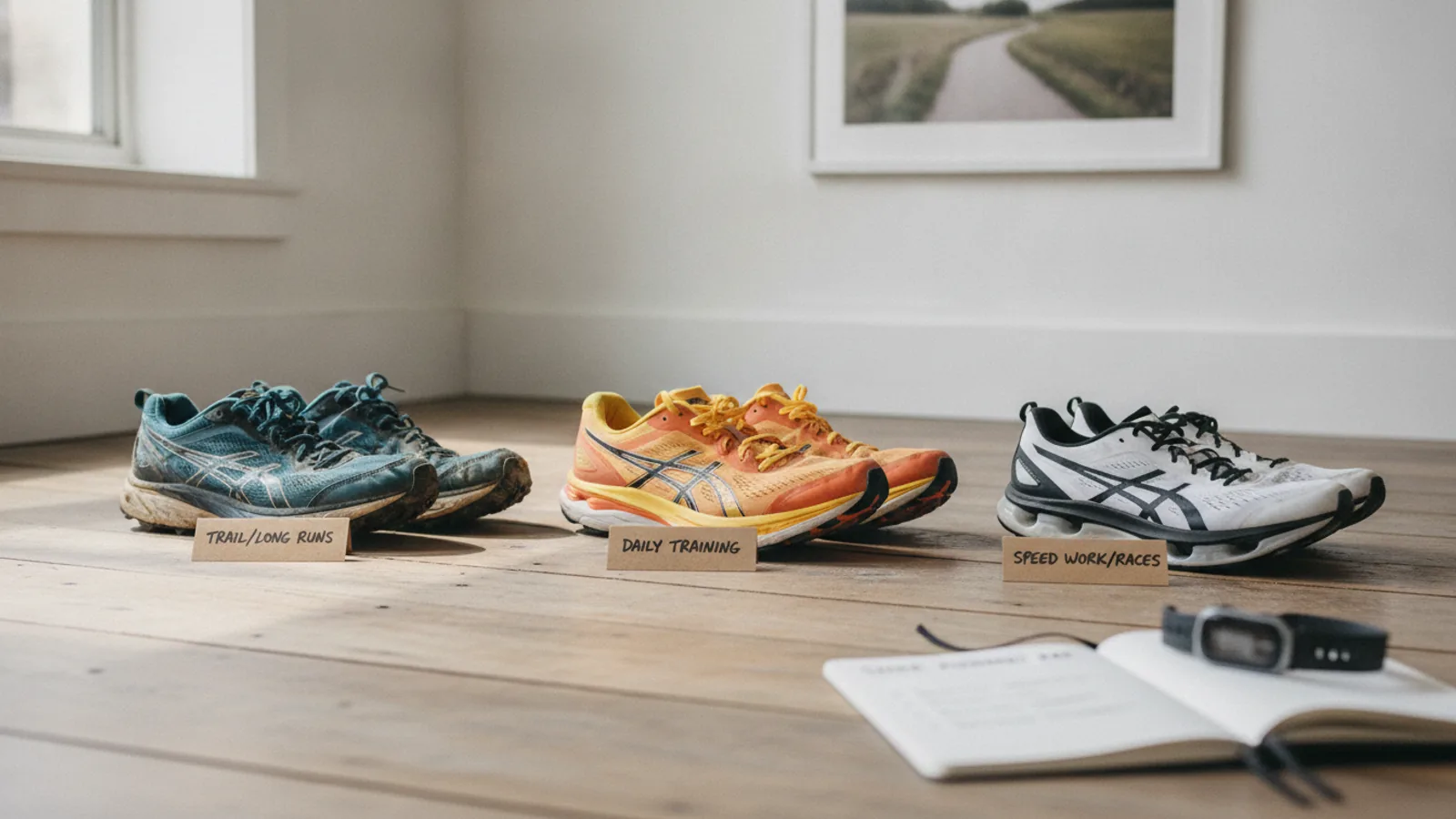
A: Running shoes typically last between 500 to 800 kilometres (300-500 miles), or roughly 6-12 months for regular runners. However, if you notice significant wear on the sole, feel a loss of cushioning, or start experiencing new aches and pains, it might be time for a new pair, regardless of the distance. Visit a specialist running shop for advice.