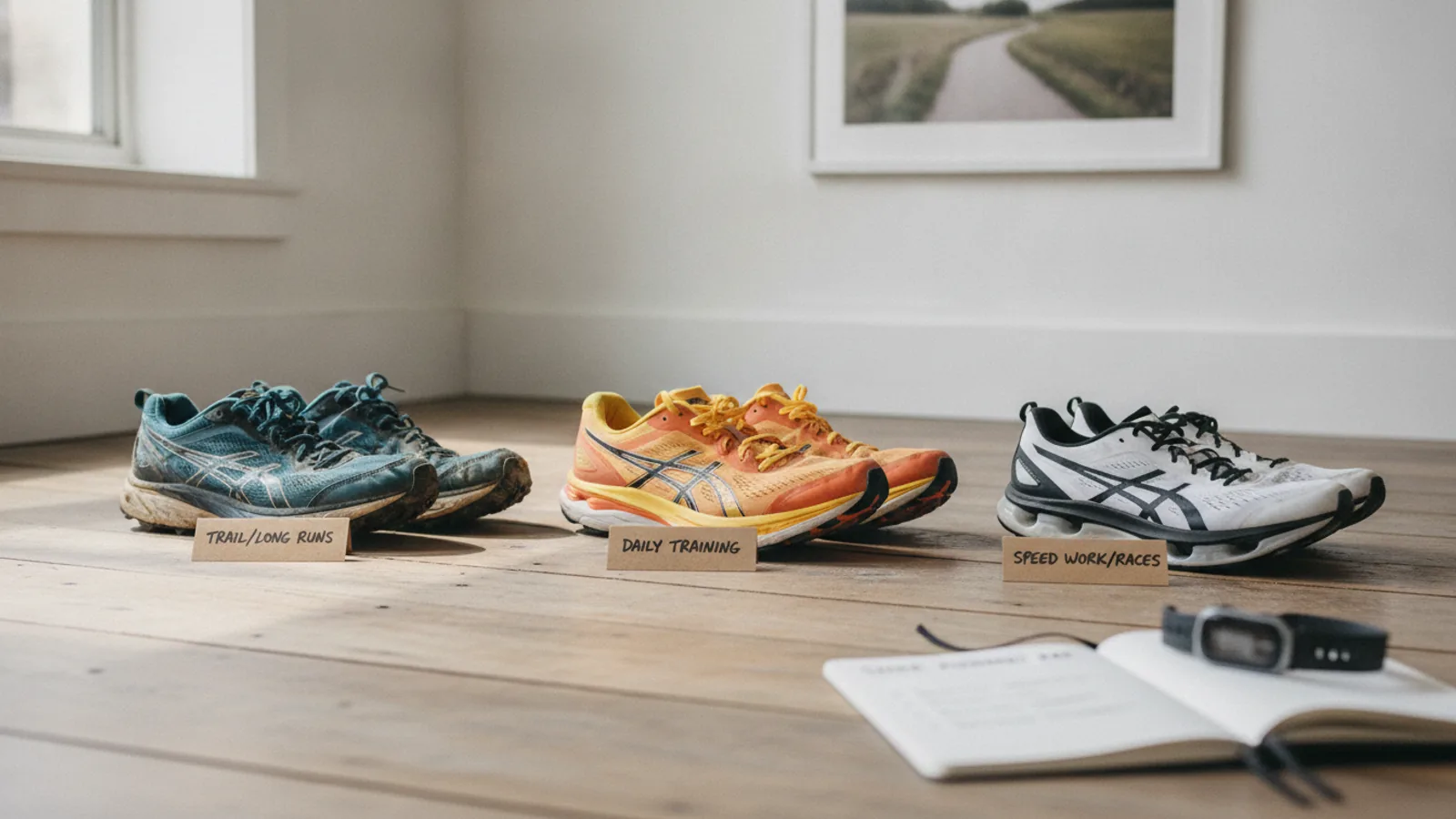
How To Prepare For A First Race
A practical step-by-step guide to how to prepare for a first race, including preparation, instructions, common issues, tips, and next steps.
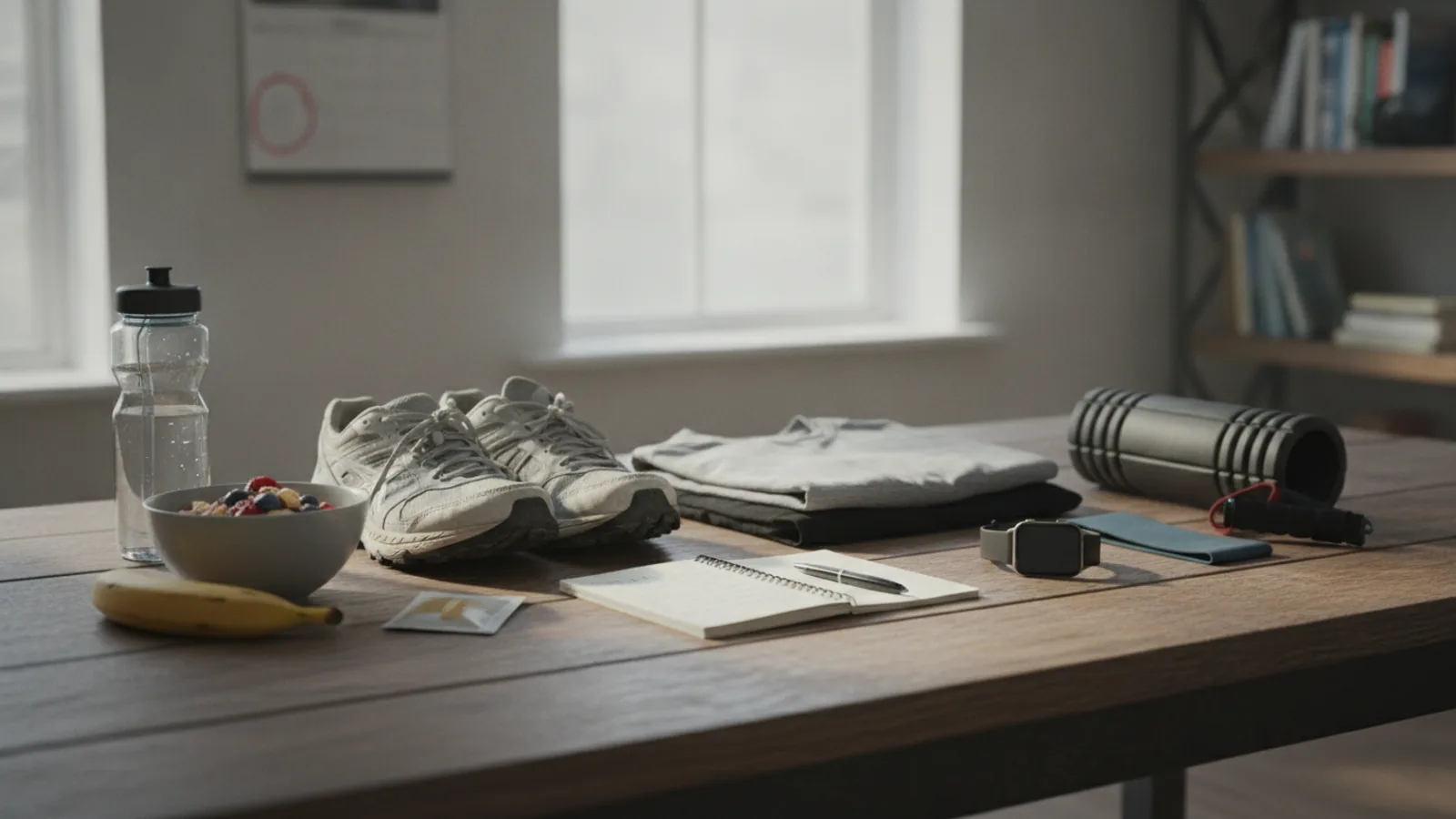
How To Prepare For A First Race
This guide explains how to approach how to prepare for a first race, including the preparation, practical steps, common mistakes, and final checks that help you finish with confidence.
Before You Start
Step-by-Step Instructions
Common Problems When Preparing For A First Race
Advanced Tips for Preparing For A First Race
- **Incorporate Strength Training:** Adding 1-2 sessions of full-body strength training per week can significantly improve your running economy and reduce injury risk. Focus on core stability, glutes, and leg strength.
- **Cross-Train:** Engage in activities like swimming, cycling, or yoga on your non-running days. This builds cardiovascular fitness without the impact of running, aiding recovery and preventing burnout.
- **Focus on Running Form:** While not essential for your first race, learning about efficient running form (e.g., posture, cadence) can help you run more smoothly and reduce stress on your body in the long term. Consider watching some basic tutorials or joining a running workshop.
- **Mental Preparation:** Beyond the physical, train your mind. Practise visualisation of a successful race, develop positive self-talk, and learn to manage discomfort. This mental resilience is a powerful tool on race day.
- **Join a Running Club:** Training with a group provides social support, motivation, and access to experienced runners and coaches who can offer valuable advice.
- **Keep a Training Journal:** Note down your runs, how you felt, what you ate, and any aches or pains. This helps you identify patterns, understand your body better, and make adjustments to your plan.
How To Prepare For A First Race FAQ
How long should I train for a 5k race?
Most beginner 5k training plans range from 8 to 12 weeks. This allows for a gradual build-up of fitness and reduces the risk of injury. The "Couch to 5k" programme is a popular 9-week option.
What should I eat the night before the race?
Focus on a familiar, carb-rich meal that is easy to digest, such as pasta with a light sauce, rice with lean protein, or baked potatoes. Avoid anything too spicy, fatty, or fibrous that might upset your stomach.
Do I need special energy gels or drinks for a 5k?
For a 5k race, which typically takes most runners less than an hour, most people do not need energy gels or sports drinks. Water is usually sufficient. However, if you've practised with them during training and feel they help, there's no harm in using them.
Is it okay to walk during my first race?
Absolutely! Many runners use a run/walk strategy, even experienced ones. Your goal for your first race is to complete the distance and enjoy the experience. Don't feel pressured to run continuously if you need a walking break.
What should I wear if it's raining on race day?
Wear light, moisture-wicking layers. A lightweight, waterproof running jacket can be useful. Avoid heavy waterproofs that don't breathe well. A cap with a brim can keep rain out of your eyes. Be prepared for wet shoes and socks, and bring dry clothes for after the race.
Final Checklist for How To Prepare For A First Race
✓ **Chosen your race and distance:** Is it realistic and exciting for you?
✓ **Selected a suitable training plan:** And committed to following it?
✓ **Invested in proper running shoes:** And tested all your gear on training runs?
✓ **Developed a hydration and fuelling strategy:** Practised with it during long runs?
✓ **Prioritised rest and recovery:** Listening to your body and taking rest days?
✓ **Planned race day logistics:** Travel, timing, and pre-race routine?
✓ **Completed your tapering phase:** Feeling fresh and ready?
✓ **Packed your race bag:** Everything laid out and ready the night before?
✓ **Set a realistic goal for race day:** To finish strong and enjoy the experience?