How To Pace A 10k
A practical step-by-step guide to how to pace a 10k, including preparation, instructions, common issues, tips, and next steps.
How To Pace A 10k
This guide explains how to approach how to pace a 10k, including the preparation, practical steps, common mistakes, and final checks that help you finish with confidence.
Before You Start
Before you even step up to the starting line, a solid foundation in training and preparation is vital for successful 10k pacing. This isn't just about speed; it's about smart energy management.
Step-by-Step Instructions
Quick Reference
Common Problems When You Pace A 10k
Even with the best intentions, things can go wrong during a race. Here are some common pacing issues and how to address them:
Starting Too Fast (The "Adrenaline Trap")
Problem: This is arguably the most common mistake. The excitement of the start, the crowd, and feeling fresh can make you sprint the first kilometre much faster than your planned pace. This burns through vital energy reserves too quickly, leading to fatigue and a significant slowdown later in the race.
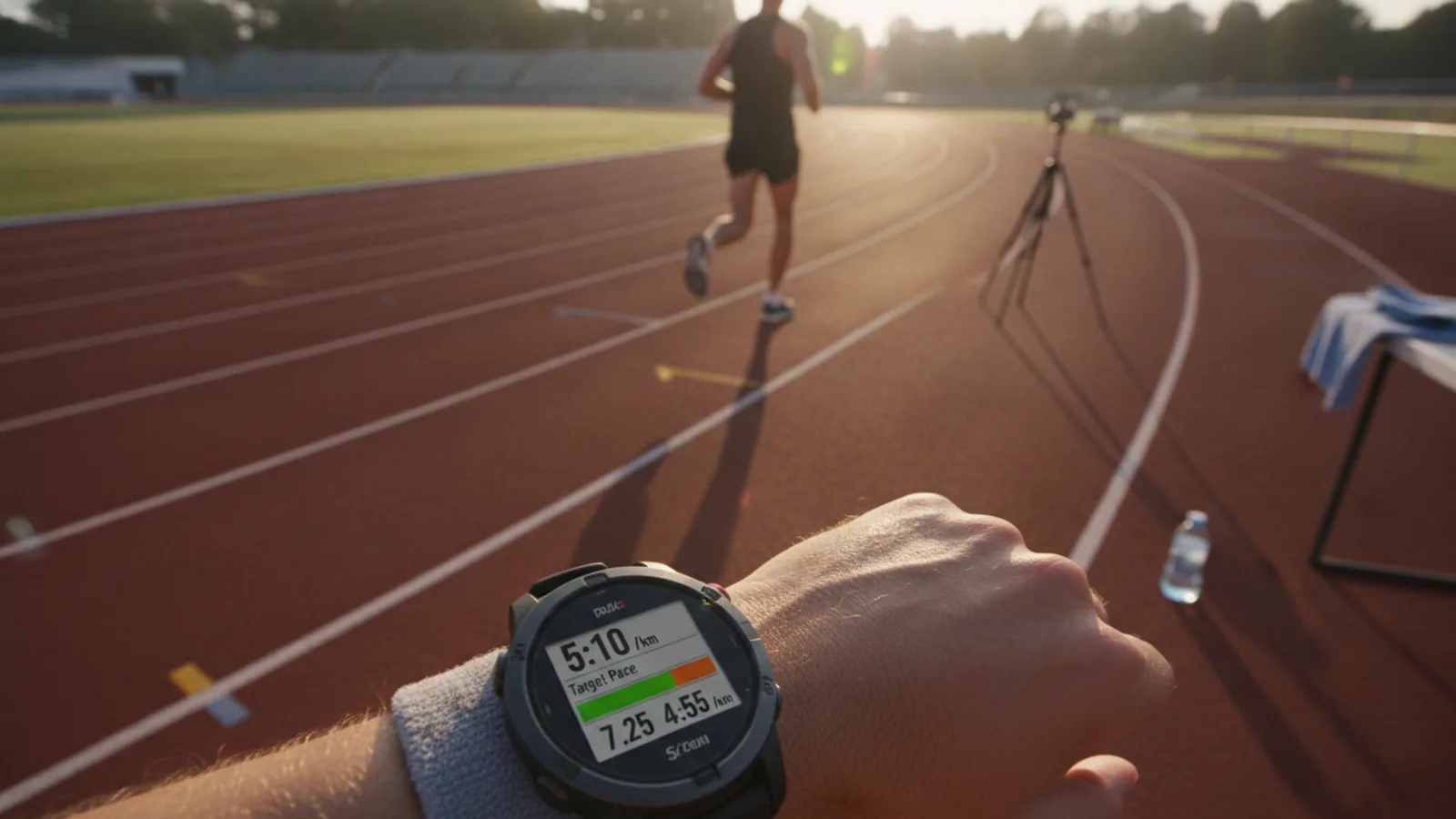
Fix: Be disciplined at the start. Consciously hold yourself back. Set a pace alert on your GPS watch for the first 1-2km that is slightly slower than your average target pace. Remind yourself that the race isn't won in the first kilometre. Start comfortably, letting others surge ahead, and you'll likely pass them later.
Ignoring the Terrain
Problem: Sticking rigidly to a specific pace per kilometre regardless of hills or headwinds. This is inefficient; trying to maintain the same pace uphill will drain you faster, and trying to sprint downhill can lead to injury or overexertion.
Fix: Practice effort-based pacing in training. On race day, adjust your pace according to the terrain. Allow your pace to slow slightly uphill while maintaining a consistent effort. Use downhills to recover, allowing gravity to assist without overstriding, or gently pick up speed on flat sections. Think about your perceived effort level rather than just the number on your watch.
Not Practicing Pacing in Training
Problem: Leaving pacing entirely to race day. If you haven't run at your target race pace during training, your body won't be accustomed to the effort, and your "pace sense" will be underdeveloped.
Fix: Integrate specific pace training into your plan. Include tempo runs or segments of long runs where you hold your goal 10k pace. This teaches your body what the pace feels like and how to sustain it efficiently. The more you practice, the more natural it becomes.
Obsessing Over Your Watch
Problem: Constantly checking your GPS watch can be distracting and lead to panic if your pace fluctuates slightly. It can take you out of the moment and prevent you from running by feel.
Fix: Use your watch as a guide, not a dictator. Check your pace every 1-2 kilometres, or at specific markers. Trust the training you've put in. If you're feeling good and your effort seems right, a slight deviation from your planned pace is not the end of the world. Focus on your breathing and how your body feels.
Lack of Fuel or Hydration
Problem: Not properly hydrating or fuelling before and during the race can lead to hitting "the wall" or bonking, making any pacing strategy impossible to maintain.
Fix: Develop and practice a hydration and nutrition plan during your training. For a 10k, this typically means being well-hydrated in the days leading up to the race, having a carb-rich meal 2-3 hours before, and taking on water at aid stations if needed, especially on warmer days. Listen to your body's signals for thirst.
Advanced Tips for Pacing A 10k
Once you've mastered the basics of how to pace a 10k, these advanced strategies can help you fine-tune your performance and unlock even greater potential.
Utilise Heart Rate Pacing
Beyond simply pace, using a heart rate monitor allows you to pace based on your physiological effort. This is particularly useful on very hilly courses where maintaining a consistent speed is impractical. Instead, you aim to keep your heart rate within a specific training zone (e.g., your lactate threshold zone) for the majority of the race.
By monitoring your heart rate, you ensure you're working hard enough to achieve your goal but not overexerting yourself too early. It helps you stay in your 'red zone' for just the right amount of time towards the end.
Develop Your "Effort Sense" (Running by Feel)
While GPS watches are invaluable, truly advanced pacing involves learning to run by feel. This means understanding what your target 10k pace feels like without constantly checking your watch. It’s about being attuned to your breathing, muscle fatigue, and overall perceived effort.
Practice running segments of your training without looking at your watch, then check to see how close you were to your target pace. Over time, you'll develop an innate ability to maintain your desired effort, which is incredibly useful when technology fails or on technically challenging routes.
Incorporate Race Simulation Runs
About 2-3 weeks before your target 10k, schedule a race simulation run. This means running a distance of 8-9km at or slightly faster than your goal 10k pace, as if it were race day. Wear your race kit, practice your pre-race meal, and follow your planned pacing strategy.
These runs not only boost your physical confidence but also give you psychological preparation. You learn how your body reacts to the sustained effort and can fine-tune your pacing adjustments for race day conditions.
Master Your Race Day Warm-up
A proper warm-up primes your body for the effort ahead. It gently elevates your heart rate, increases blood flow to your muscles, and activates your nervous system. For a 10k, this might involve 10-15 minutes of easy jogging followed by dynamic stretches (leg swings, butt kicks, high knees) and a few short strides (30-second bursts at faster than race pace).
A good warm-up prevents that initial 'shock' to your system and allows you to settle into your race pace much more comfortably from the first kilometre, reducing the risk of starting too fast or feeling sluggish.
Visualise Your Race Strategy
Mental preparation is as important as physical training. Spend time visualising yourself executing your pacing plan flawlessly. Imagine yourself holding back at the start, maintaining a steady effort through the middle, and then surging strongly in the final kilometres.
Visualise specific landmarks on the course, and how you'll respond to them. This mental rehearsal can significantly reduce pre-race anxiety and build confidence in your ability to stick to your chosen strategy.
How To Pace A 10k FAQ
Q: What's a good 10k pace for a beginner?
A: For a beginner, a "good" pace is one that allows you to finish comfortably and feel strong. This might be anywhere from 7 to 8 minutes per kilometre (about 11:15 to 13:00 per mile). Focus on a consistent, sustainable effort rather than speed. The goal is to complete the distance without needing to walk extensively and to enjoy the experience.
Q: Should I run faster uphill or downhill?
A: Generally, you should aim to maintain a consistent *effort* level, not necessarily a consistent *pace*. This means you'll naturally slow down going uphill to conserve energy and pick up speed downhill. On uphills, shorten your stride and maintain effort. On downhills, let gravity assist but don't overstride or lean back too much; keep your body upright and relaxed.
Q: How do I know my current fitness level accurately?
A: The most accurate way is to run a recent 5k time trial (a maximum effort 5k run) or participate in an actual 5k race. Your result from that can be used with online race pace calculators to estimate your potential 10k time. Alternatively, consistently track your pace on your long training runs to find a comfortable, sustained pace.
Q: How often should I check my watch during a 10k?
A: It's best to check your watch every 1 to 2 kilometres, or when you pass a kilometre marker on the course. This provides enough feedback to adjust your pace without becoming obsessive or distracting yourself too much. Focus on running by feel between checks.
Q: What if I feel amazing at the start of the race?
A: This is a common feeling, but it's crucial to resist the urge to sprint. Stick to your planned, conservative pace for the first 2-3 kilometres. The adrenaline and freshness can be deceptive. If you still feel fantastic after the 3km mark, you can consider a *slight*, controlled increase in pace, but never a sudden surge. Many races are won in the second half.
Final Checklist for How To Pace A 10k
Use this checklist to ensure you've covered all the essential aspects of how to pace a 10k for your best performance:
- Have you set a clear and realistic 10k goal? (e.g., finish strong, achieve a specific time)
- Do you know your current fitness level based on recent runs or races?
- Have you chosen a pacing strategy that suits your goal and the course (e.g., even, negative split, effort-based)?
- Is your target pace per kilometre (or mile) calculated and memorised/written down?
- Have you practiced running at your target race pace in training?
- Have you studied the race route for hills, turns, and aid stations?
- Is your GPS running watch fully charged and set up for race day?
- Do you have a pre-race hydration and nutrition plan that you've practiced?
- Are you prepared to consciously hold back and resist starting too fast on race day?
- Have you planned a proper warm-up routine for race morning?
- Are your comfortable running shoes ready and broken in?
- Have you visualised successfully executing your pacing plan?