How To Find A Running Route
A practical step-by-step guide to how to find a running route, including preparation, instructions, common issues, tips, and next steps.
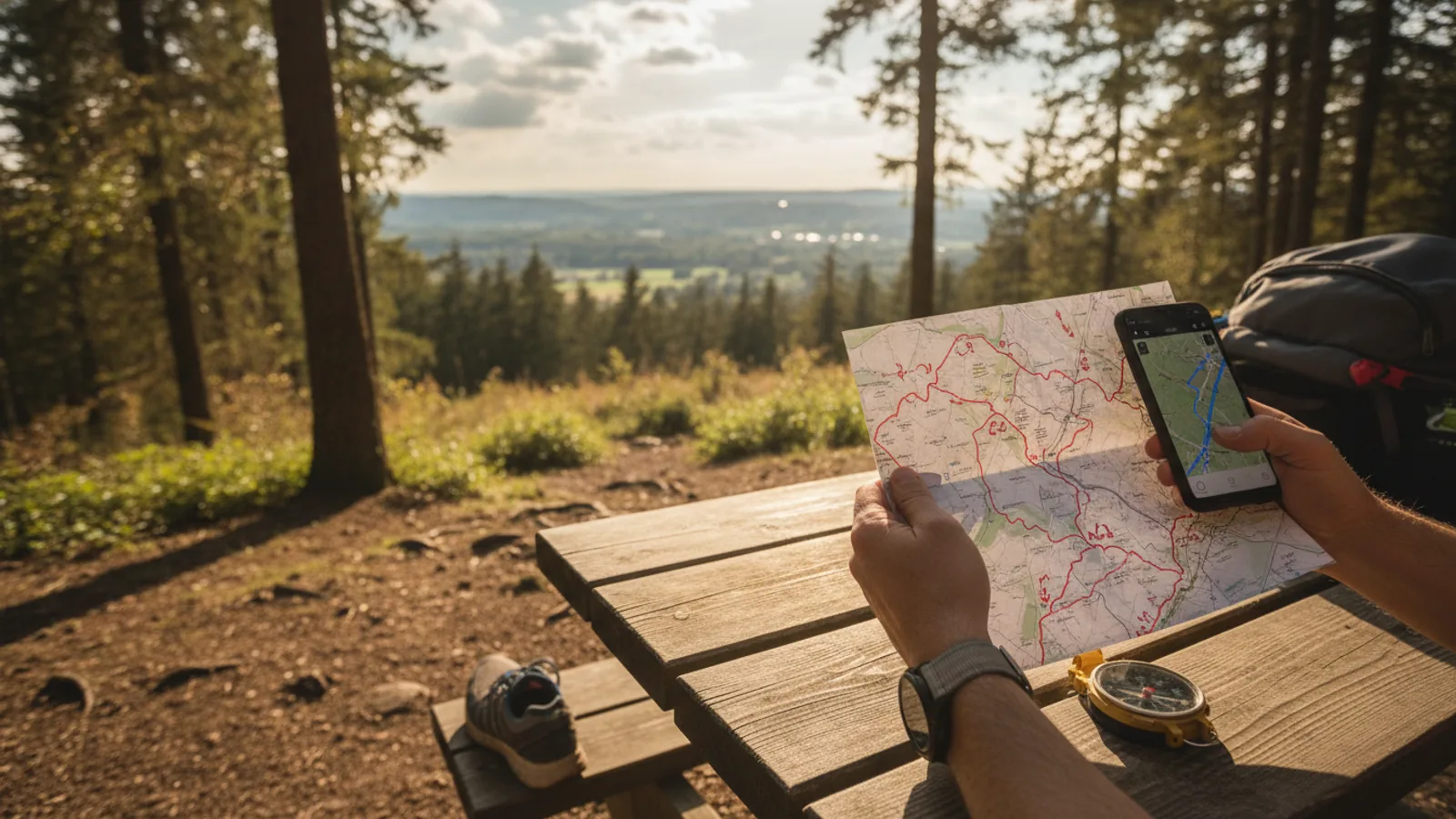
How To Find A Running Route
This guide explains how to approach how to find a running route, including the preparation, practical steps, common mistakes, and final checks that help you finish with confidence.
Before You Start
What You Need
Safety, Timing, or Context Checks
Step-by-Step Instructions
Quick Reference
Common Problems When You Find A Running Route
Even with careful planning, you might encounter a few issues when trying to find and run new routes. Knowing how to troubleshoot these can save you a lot of frustration.
The Route Feels Unsafe or Isolated
This is perhaps the most critical problem. If at any point a route feels unsafe due to poor lighting, lack of people, suspicious activity, or heavy traffic, do not hesitate to change it. Your safety is paramount. Options include:
The Route Is Boring or Monotonous
Running the same loop repeatedly can quickly lead to boredom and a lack of motivation. If your chosen route isn't holding your interest:
The Route Is Too Short or Too Long
It's easy to misjudge distances, especially when planning on a map. If your route doesn't match your desired distance:
No Amenities on the Route
Discovering you're miles from a water fountain or a toilet on a hot day can be a real issue. To combat this:
Advanced Tips for Finding Running Routes
Once you've mastered the basics of finding a running route, you can start to think about ways to enhance your running experience and explore even more options.
Vary Your Routes Regularly
Don't fall into the trap of only running one or two routes. Consistently varying your routes keeps your mind engaged, prevents boredom, and can even help to strengthen different muscle groups. Aim to have a repertoire of at least 3-5 different routes of varying lengths and difficulties that you can rotate throughout the week or month. This also helps you discover new parts of your local area you might otherwise miss.
Explore New Areas with Public Transport
Feeling limited by your immediate surroundings? Use public transport to your advantage. Take a bus or train to a nearby town or a different part of your city, and then run a route there. You can plan a one-way run and use transport to get back, or do a loop from your drop-off point. This is an excellent way to see new sights, experience different terrains, and make a longer run feel like an adventure.
Incorporate Elevation Training
If you're looking to build strength, improve your speed, or train for a hilly race, actively seek out routes with significant elevation changes. Use online mapping tools to identify hills and inclines. Many apps allow you to view a route's elevation profile. Incorporating hill repeats or longer uphill sections into your training can provide a powerful boost to your fitness.
Join a Running Group or Club
This is one of the best ways to discover new routes and expand your running horizons. Running groups often have designated routes for their weekly runs, covering various distances and paces. Not only will you discover new paths, but you'll also benefit from the safety of running in a group and the shared motivation of other runners. Plus, locals in the group will have invaluable knowledge of hidden routes and safer options.
"Fartlek" Exploring
Embrace a bit of spontaneity. Sometimes, the best way to find a new route is to simply head out without a strict plan. Run for a set amount of time or distance in one direction, then turn and explore a new path or street. This informal, "playful" approach (known as Fartlek, Swedish for "speed play") isn't just for speed work; it can be a fantastic way to stumble upon unexpected routes and make your run feel like an adventure. Just remember to carry your phone for navigation back home!
How To Find A Running Route FAQ
Final Checklist for How To Find A Running Route
Before you lace up and head out on your next run, use this quick checklist to ensure your chosen route is ready for you.
By following these steps, you'll be well-equipped to discover a fantastic running route that not only challenges you but also adds joy and variety to your running journey. Happy running!
FAQ
What should I check before I start?
Check the goal, the key prerequisite, and any current instructions that could change the safest next step for how to find a running route.
How can I tell whether the result is working?
Use the practical checks in the guide, pause if a required step is unclear, and verify the finished result against the intended outcome.