How To Clean Running Shoes
A practical step-by-step guide to how to clean running shoes, including preparation, instructions, common issues, tips, and next steps.
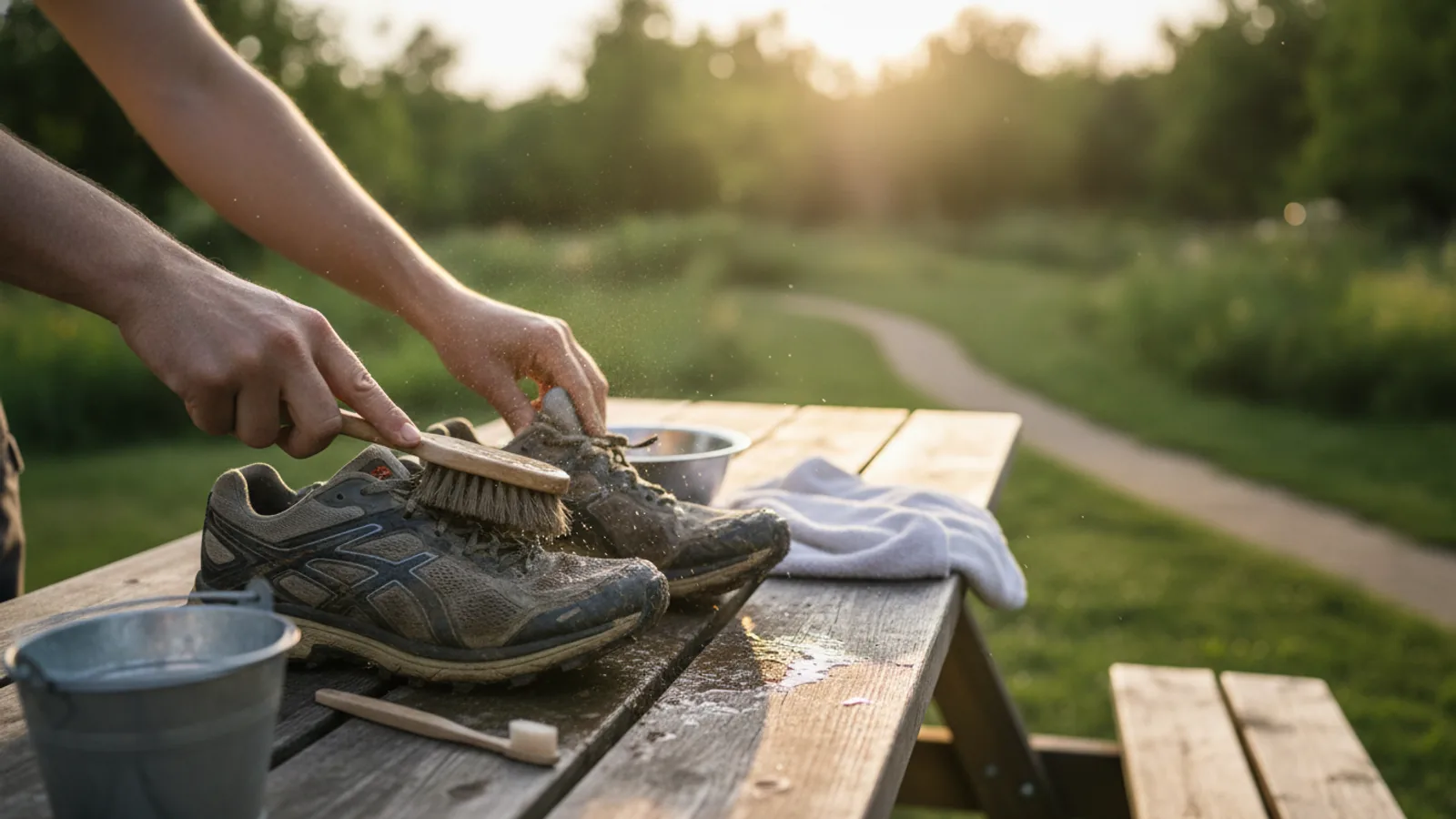
How To Clean Running Shoes
This guide explains how to approach how to clean running shoes, including the preparation, practical steps, common mistakes, and final checks that help you finish with confidence.
Before You Start
Before you dive into cleaning, gathering your materials and understanding a few crucial safety points will make the process smooth and protect your valuable running shoes. Cleaning your shoes isn't just about making them look good; it's about preserving the materials, cushioning, and support that keep you comfortable and injury-free on your runs.
What You Need
Safety, Timing, or Context Checks
Cleaning your shoes immediately after they get very dirty, especially with mud or trail grime, prevents stains from setting in and makes the job much easier. However, if they're only lightly dusty, a quick brush-off might be all that's needed.
Also, ensure you have a clean, protected workspace. An old towel spread on the floor or a countertop works perfectly. You'll be dealing with water and potentially muddy shoes, so a bit of preparation here prevents extra cleaning later.
Step-by-Step Instructions
Follow these steps carefully to give your running shoes a thorough, safe clean without compromising their integrity. Patience is key, especially during the drying phase.
Quick Reference
Common Problems When You Clean Running Shoes
Even with the best intentions, you might run into a few issues while cleaning your running shoes. Knowing how to troubleshoot these common problems can save you frustration and ensure your shoes come out looking (and smelling) their best.
Lingering Odour After Cleaning
If your shoes still have a bit of a smell after cleaning, it's often due to moisture trapped deep within the materials or persistent bacteria. Ensure they are completely, absolutely dry. Even a tiny bit of dampness can encourage mould and bacteria. Change the internal paper stuffing frequently during drying to maximise moisture absorption.
Solution: Once fully dry, sprinkle a generous amount of baking soda inside the shoes and on the insoles. Let it sit overnight, then tap it all out thoroughly. Baking soda is excellent at absorbing odours. For very stubborn cases, consider placing the dry shoes in a sealed bag with some cedar chips or dedicated shoe deodorisers for a few days.
Stubborn Stains Won't Come Out
Some stains, especially oil-based ones or those left for a long time, can be tough. If a mild soap solution isn't doing the trick, don't immediately reach for harsh chemicals, as these can strip dyes or damage materials.
Solution: Try a slightly more concentrated solution of your mild detergent, or consider a specialised athletic shoe cleaner (always test on an inconspicuous spot first). Gently scrub the stain with an old toothbrush, working in small circular motions. For mud stains that have dried and set, a paste made from baking soda and a tiny bit of water can sometimes lift them, but again, use caution and test first.
Shoes Taking Too Long to Dry
Waiting days for shoes to dry can be frustrating. Slow drying is usually a result of insufficient airflow or saturated stuffing.
Solution: Change the crumpled paper towels or newspaper inside the shoes every 2-3 hours if they're very wet, until the paper comes out mostly dry. Place the shoes in a location with good air circulation – near an open window, or in front of a fan (not a heater!) can significantly speed up the process. Elevating the shoes on a rack or placing them on their sides can also expose more surface area to the air.
Shoes Appear Damaged or Discoloured
If your shoes look faded, stiff, or show signs of damage after cleaning, it's often a sign that harsh methods were used. This is why avoiding washing machines, tumble dryers, and strong chemical cleaners is so important.
Solution: Unfortunately, some types of damage, like shrunken materials or melted glue from heat, are irreversible. For minor stiffness, sometimes wearing them gently can help them soften up again. For discoloration, if it's soap residue, a thorough re-rinse with clean water might help. Always err on the side of caution with cleaning products and methods to prevent this.
Advanced Tips for How To Clean Running Shoes
Beyond the basic clean, a few advanced practices can help keep your running shoes in peak condition, extending their life and ensuring they're always ready for your next run.
Regular Light Maintenance
Don't wait until your shoes are caked in mud to clean them. A quick, light clean after every few runs, or immediately after a moderately dirty run, makes a big difference. This could be as simple as a dry brush-off of the outsoles and a quick wipe down of the uppers with a damp cloth.
Why it helps: This prevents dirt from embedding deeply into the fabrics and glues, making full cleans easier and less frequent. It also keeps your shoes looking fresher for longer.
Protecting with Waterproofing Sprays
For trail runners or those who often encounter wet conditions, applying a waterproofing or water-repellent spray designed for athletic footwear can be a game-changer. These sprays create a barrier that repels water and makes it harder for mud and stains to stick to the upper material.
How to use: Clean your shoes thoroughly and let them dry completely first. Then, follow the product instructions, usually spraying an even coat and allowing it to cure. Reapply every few months or after a deep clean. This won't make your shoes fully waterproof, but it significantly helps.
Using Shoe Trees or Cedar Balls
Once your shoes are clean and fully dry, inserting cedar shoe trees or placing cedar balls inside can help maintain their shape and absorb any residual moisture or faint odours. Cedar is a natural deodoriser and can also deter certain pests.
Benefits: This not only helps with odour control but also keeps the shoe's internal structure from collapsing, which can prolong the life of the upper and midsole materials.
Separate Trail and Road Shoe Cleaning
If you run on both roads and trails, you likely have different shoes for each. Trail shoes, with their aggressive lugs and durable uppers, are designed to handle more mud and debris than road shoes. Consider having separate brushes and cleaning routines for each type.
Practicality: A stiffer brush might be suitable for deep lugs on trail shoes, while road shoes with smoother outsoles might only need a soft cloth. This also prevents transferring stubborn trail grit to your road shoes during cleaning.
Pre-Treatment for Heavy Stains
If you know your shoes are going to get very muddy on a particular run, a quick pre-treatment can help. Some runners apply a thin layer of shoe protector spray or even a light barrier cream (like petroleum jelly on the rubber parts) before hitting extremely mucky trails. This creates a surface that's easier to wipe clean afterwards.
Caution: Always ensure any pre-treatment is safe for shoe materials and won't affect breathability or traction.
How To Clean Running Shoes FAQ
Can I put my running shoes in the washing machine?
No, absolutely not. As stressed throughout this guide, the washing machine's agitation and heat (even on cold cycles) can severely damage the shoe's structure, glues, cushioning, and upper materials, voiding warranties and significantly shortening their lifespan. Hand washing is the only recommended method.
How often should I clean my running shoes?
The frequency depends on how often you run and the conditions. For very muddy or trail runs, clean them immediately. For regular road running, a light clean (brushing off dirt) after every few runs is good. A more thorough hand wash might be needed every 1-2 months, or whenever they look visibly dirty or start to smell.
What kind of soap is best for cleaning running shoes?
A mild liquid laundry detergent, gentle dish soap, or a dedicated athletic shoe cleaner are your best options. Avoid harsh chemicals, bleach, or strong stain removers, as these can strip colour, damage synthetic fabrics, or break down glues.
How can I dry my running shoes quickly without damaging them?
The safest and quickest way to dry them is by air drying with good ventilation. Stuff them with paper towels or newspaper and change them frequently (every 2-3 hours). Placing them in front of a low-powered fan can also speed up drying safely. Never use a tumble dryer, direct sunlight, or a heater, as intense heat causes irreparable damage.
What if my shoes still smell after cleaning?
Lingering odour usually means they weren't fully dry, or bacteria remains. Ensure they are completely dry (this can take up to 48 hours). Then, try sprinkling baking soda inside and on the insoles, leaving it overnight to absorb odours before tapping it out. You can also use cedar shoe inserts or commercial shoe deodorisers.
Can I clean the insoles and laces?
Yes, and you absolutely should! Remove them from the shoes before cleaning. Wash laces by hand in your mild soapy solution. Wipe insoles with a soapy cloth. If insoles are very smelly, a baking soda treatment or a mild vinegar solution (then rinsed) can help after cleaning. Always air dry them completely before putting them back in.
Final Checklist for How To Clean Running Shoes
Before you lace up and head out for your next run, make sure your shoes are in optimal condition by running through this final checklist:
- All dirt removed? Double-check outsoles, midsoles, and uppers for any remaining grime.
- No soap residue? Ensure all soap has been thoroughly rinsed from the fabric to prevent stiffness or discoloration.
- Completely dry? Feel inside and out; there should be no dampness. This is crucial for preventing odours and material breakdown.
- Insoles and laces clean and dry? Reinsert them only when they are completely dry.
- Shape maintained? Thanks to the paper stuffing, your shoes should have held their original form.
- Odour-free? Give them a sniff test. If still a bit funky, apply baking soda or use shoe deodorisers.
- Ready for the road or trail? Your shoes should feel fresh, look good, and be ready to support your next adventure.