How To Choose Trail Running Poles
A practical step-by-step guide to how to choose trail running poles, including preparation, instructions, common issues, tips, and next steps.
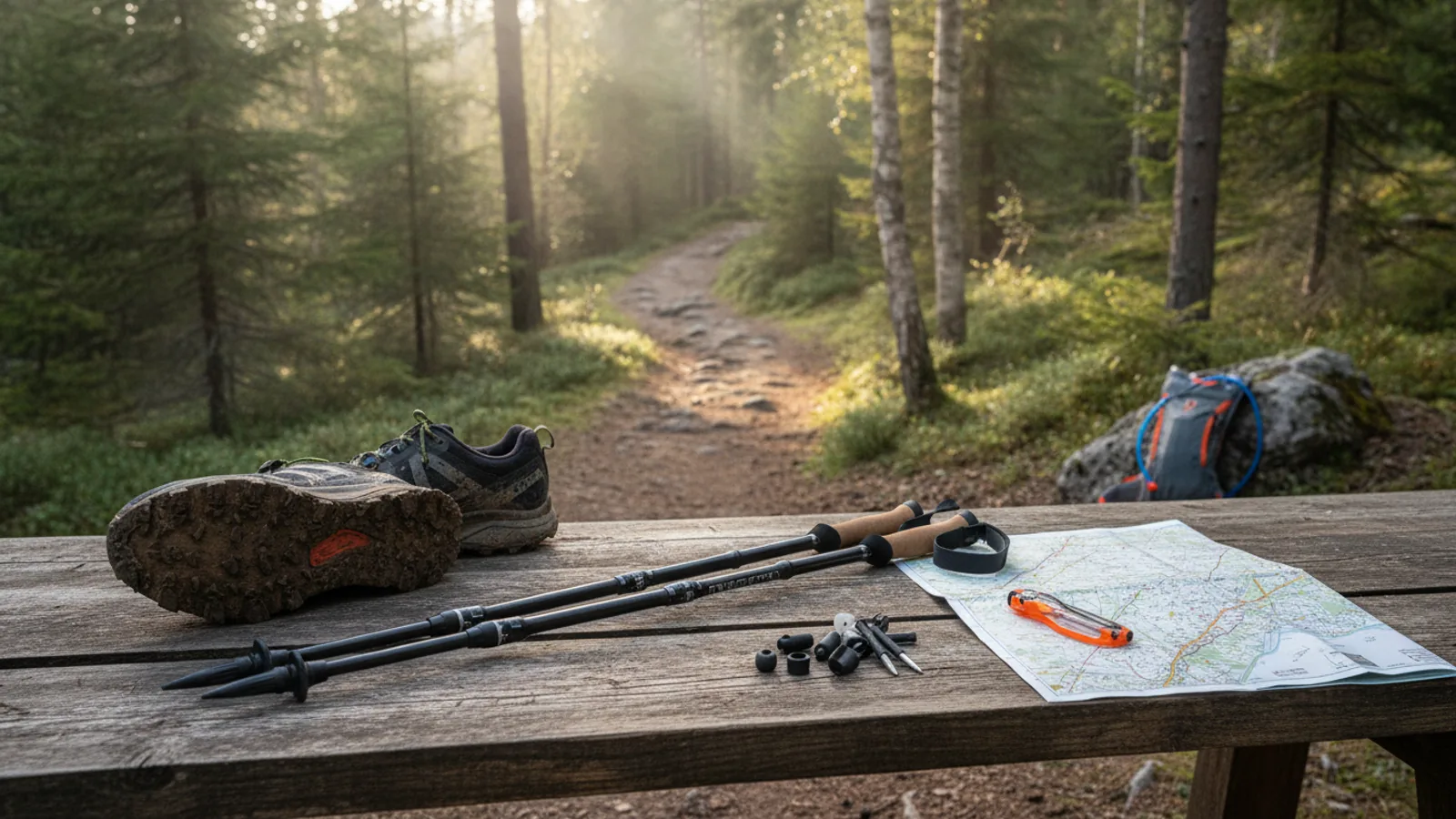
How To Choose Trail Running Poles
This guide explains how to approach how to choose trail running poles, including the preparation, practical steps, common mistakes, and final checks that help you finish with confidence.
20-30 minutes Time needed
Easy to Moderate Difficulty
Incorrect length Watch out for
Before You Start
Check first: Always measure your pole length while wearing your running shoes and standing in a natural, slightly bent running posture. Measuring while standing completely still or barefoot will likely result in poles that are too long for actual use on the trails. Consider the primary type of terrain you'll be running on.
Step-by-Step Instructions
Quick Reference
Common Problems When Choosing Trail Running Poles
Watch out for these common mistakes to avoid discomfort or inefficiency on the trails.
Even with careful selection, runners sometimes encounter issues. Knowing these common problems can help you troubleshoot or make a better choice from the start.
Advanced Tips for Using Trail Running Poles
Once you've chosen your poles and mastered the basics, these advanced tips can help you get even more out of them:
How To Choose Trail Running Poles FAQ
Q: Are trail running poles really worth the investment?
A: Yes, for many trail runners, especially those who tackle long distances, steep climbs and descents, or technical terrain. They offer significant benefits in stability, balance, reduced leg fatigue, and improved propulsion, making your runs more efficient and enjoyable.
Q: What is the most important factor when choosing trail running poles?
A: The most important factor is undoubtedly the correct pole length. An ill-fitting pole can cause discomfort, poor posture, and inefficient use. Always aim for that 90-degree elbow bend when the pole tip is on the ground.
Q: Should I get fixed, adjustable, or foldable poles?
A: It depends on your priorities:
Q: What's the difference between aluminium and carbon fibre poles?
A: Aluminium poles are more durable, more affordable, and tend to bend rather than snap. They are heavier. Carbon fibre poles are lighter, stiffer, and excellent for performance, but they are more expensive and can snap under sharp impact.
Q: How do I carry my poles when I'm not using them?
A: Most modern trail running vests and packs are designed with specific loops, quivers, or pockets for carrying collapsed or folded poles. Practice stowing and retrieving them quickly to find the most efficient method for your gear.
Final Checklist for Choosing Trail Running Poles
Use this checklist to ensure you've covered all the essential considerations before making your final decision:
- Determined your ideal pole length? (Confirmed using the 90-degree elbow rule while wearing running shoes.)
- Considered your primary running terrain and use case? (Decided between aluminium for durability or carbon for weight.)
- Tested different grip and strap systems for comfort and security? (Ensured proper hand placement and power transfer.)
- Checked how the poles fit into your running pack or vest when collapsed/folded? (Ensured easy and secure stowage.)
- Understood the appropriate tip and basket options for your typical trail conditions? (Carbide tips are standard for most trails.)
- Mentally prepared to practice using your poles effectively? (Ready to learn and refine your technique.)