How To Choose Running Shorts
A practical step-by-step guide to how to choose running shorts, including preparation, instructions, common issues, tips, and next steps.
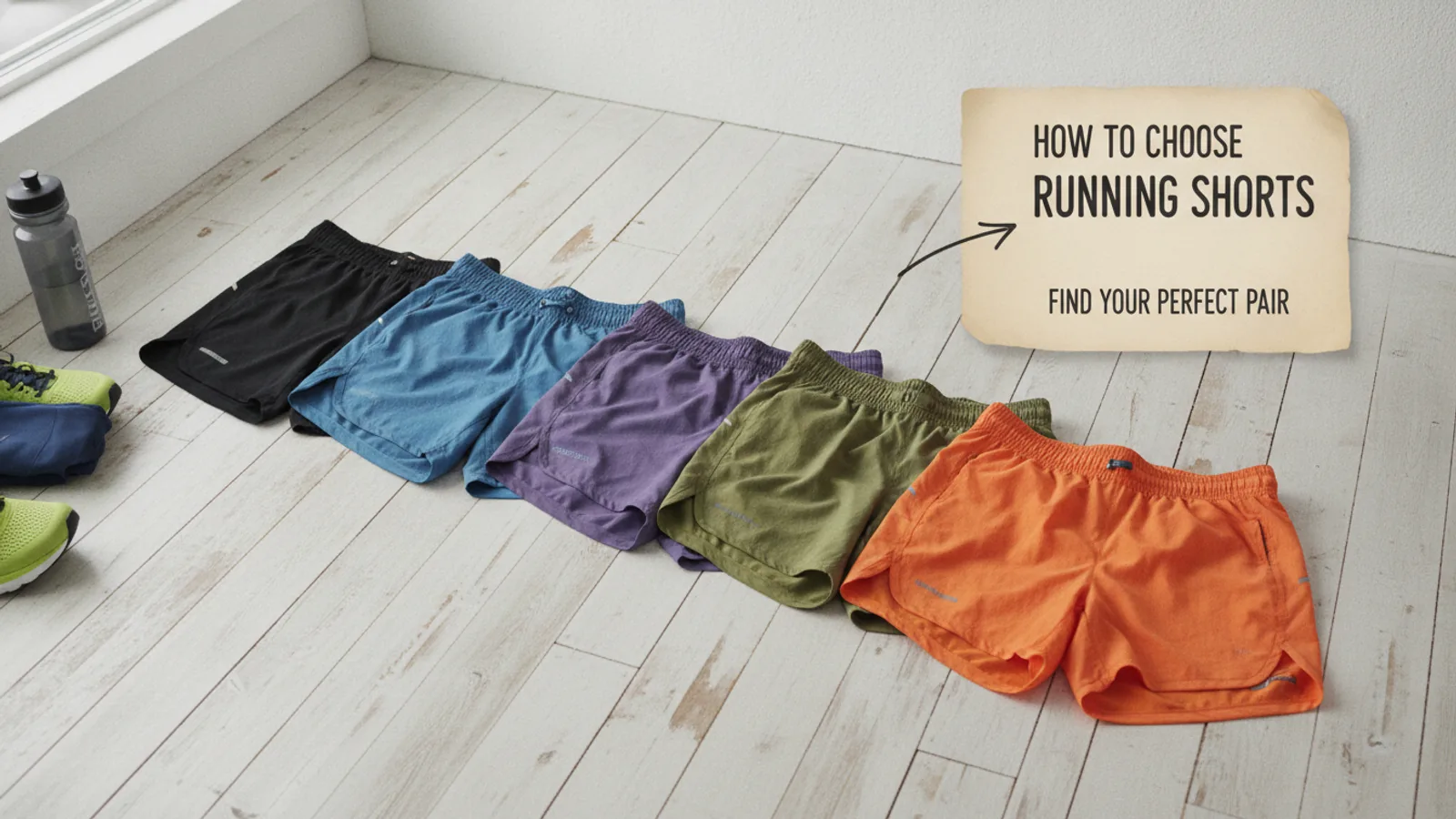
How To Choose Running Shorts
This guide explains how to approach how to choose running shorts, including the preparation, practical steps, common mistakes, and final checks that help you finish with confidence.
Before You Start
Step-by-Step Instructions
Quick Reference
Common Problems When Choosing Running Shorts
Even with careful selection, you might encounter some common issues. Here’s how to address them:
Chafing
This is by far the most common problem. It happens when fabric rubs against skin, or skin rubs against skin, especially when wet with sweat. It can lead to painful rashes or sores.
Shorts Riding Up or Down
If your shorts constantly creep up your thighs or fall down your waist, it's distracting and uncomfortable.
Lack of Storage
You get out on a run only to realise you have nowhere safe to put your keys, phone, or gels.
Feeling Too Hot or Too Cold
Wearing the wrong shorts for the weather can make a run miserable.
Heavy with Sweat
If your shorts feel heavy, clingy, and soak up sweat, they're probably made from the wrong material.
Advanced Tips for Choosing Running Shorts
Once you've mastered the basics, consider these pointers to fine-tune your running shorts selection for ultimate comfort and performance.
Build a Seasonal Wardrobe
Instead of relying on one pair of shorts for all conditions, consider having a small collection. A few pairs of 5-inch shorts for everyday training, a lighter pair of 2-3 inch shorts for races, and a pair of 7-9 inch or compression shorts for cooler weather or long distances will cover most eventualities. This allows you to adapt to weather changes and different running demands without compromise.
The Power of Layering
Don't overlook the versatility of layering. Wearing compression shorts as a base layer under a looser pair of shorts can provide extra warmth in cold weather, additional muscle support, and a superior barrier against chafing on very long runs or ultras. This combination gives you the benefits of both styles.
Focus on Waistband Ergonomics
A well-designed waistband is more than just secure; it's comfortable. Look for waistbands that are wide, flat, and made from soft, stretchy material. They should distribute pressure evenly without digging in, even when your core muscles are engaged during running. Some shorts feature a "yoke" design at the back of the waistband, which can enhance fit and reduce riding down.
Consider the 'Hand Feel' of Fabric
While moisture-wicking is key, also pay attention to how the fabric feels against your skin. Some fabrics might feel a bit stiff or coarse, which could become irritating over many miles. Opt for softer, smoother fabrics that minimise friction, especially in areas prone to rubbing. You'll often find higher-quality running shorts use more premium, softer blends.
Think About Sustainability
If environmental impact is important to you, keep an eye out for brands that use recycled materials (like recycled polyester) in their running shorts. Many reputable brands are now incorporating sustainable practices into their production, offering high-performance gear with a reduced footprint. This is a choice that aligns with a route-aware running philosophy.
How To Choose Running Shorts FAQ
Should I wear underwear with running shorts?
Generally, if your running shorts have a built-in liner (which most do), you do not need to wear separate underwear. The liner provides support and helps prevent chafing. If your shorts do not have a liner, or if you find the built-in liner uncomfortable, you should wear seamless, moisture-wicking running underwear.
How do I stop my running shorts from chafing?
To prevent chafing, ensure your shorts are the right fit (not too tight or too loose) and made from moisture-wicking, synthetic fabric. If you're still experiencing issues, try applying anti-chafing balm or stick to areas prone to rubbing (e.g., inner thighs, waistband) before your run. Wearing compression shorts or shorts with a comfortable, supportive liner can also significantly help.
What's the best inseam length for me?
The best inseam length depends on your personal preference, the type of running you do, and the weather. Shorter lengths (2-3 inches) are great for speed and hot weather, while mid-lengths (5 inches) are versatile for everyday training. Longer lengths (7-9 inches) or compression shorts offer more coverage, warmth, and chafing prevention, ideal for trails or cooler conditions. Experiment to find what feels most comfortable and functional for you.
Can I run in regular gym shorts?
While you can technically run in regular gym shorts, it's not ideal for optimal comfort and performance, especially on longer runs. Regular gym shorts are often made from heavier, less moisture-wicking fabrics and may not have the ergonomic design, liners, or specific features (like secure pockets) that dedicated running shorts offer. They are more likely to chafe, become heavy with sweat, and restrict movement compared to purpose-built running shorts.
How many pairs of running shorts do I need?
The number of running shorts you need depends on how frequently you run and how often you do laundry. For most runners, 3 to 5 pairs is a good starting point. This allows you to have a clean pair ready for each run during the week, with a couple of spares in case you run more or don't get laundry done immediately.
Final Checklist for How To Choose Running Shorts
Before you make your final decision, run through this quick checklist to ensure your chosen shorts are the perfect fit for your running journey:
By following these steps, you'll be well-equipped to choose running shorts that enhance your comfort and enjoyment on every route, helping you focus on the run itself rather than your gear.