How To Choose A Running Watch
A practical step-by-step guide to how to choose a running watch, including preparation, instructions, common issues, tips, and next steps.
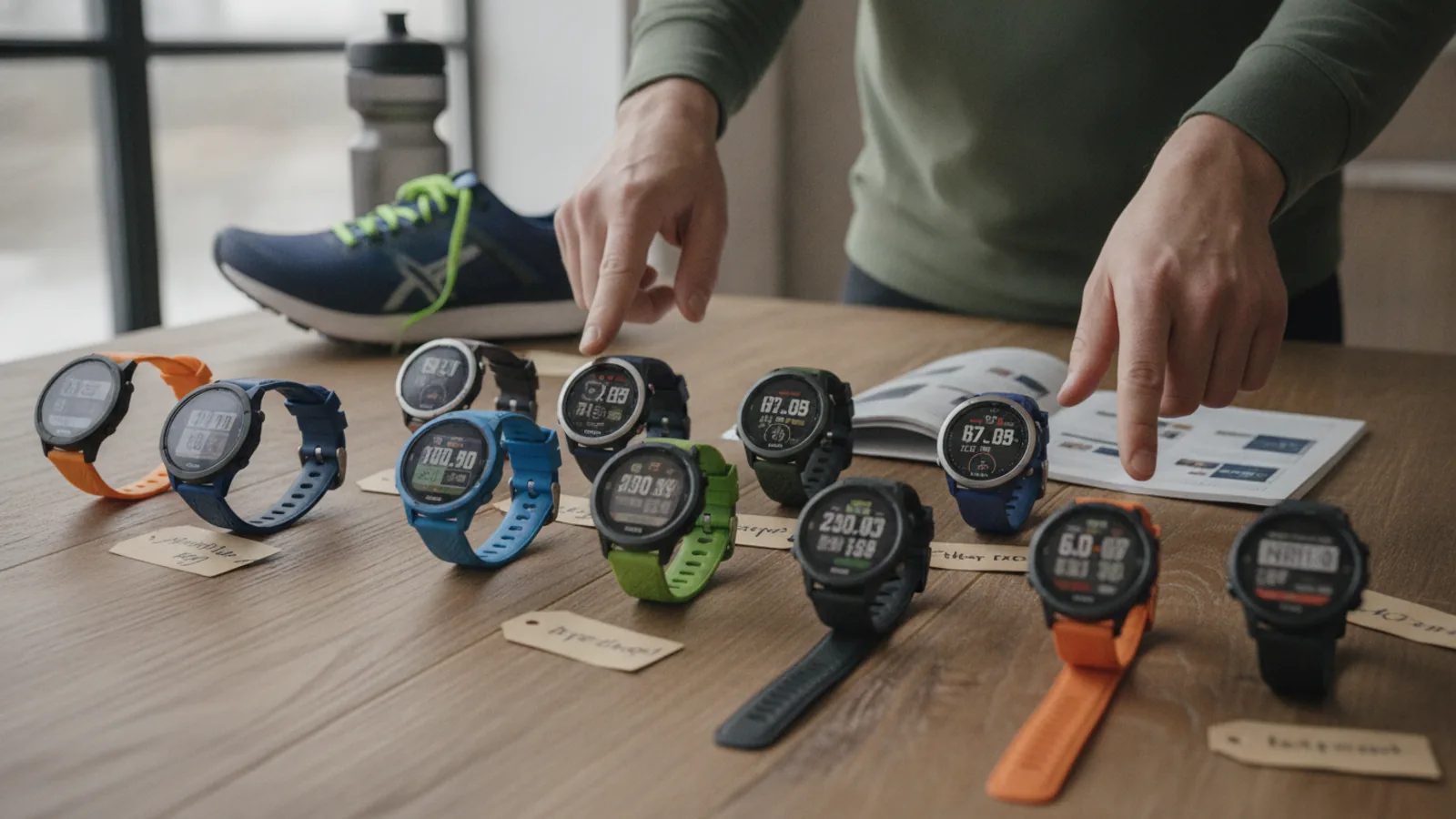
How To Choose A Running Watch
This guide explains how to approach how to choose a running watch, including the preparation, practical steps, common mistakes, and final checks that help you finish with confidence.
30-45 minutes Time needed
Medium Difficulty
Overspending on unused features Watch out for
Before You Start
Check first: Make sure the watch you're considering is designed for your primary activity. A watch great for road running might not have the specific mapping or long battery life needed for ultra-trail running, and vice versa. Always prioritise your main use case to avoid disappointment.
Step-by-Step Instructions
Quick Reference
Common Problems When You Choose A Running Watch
Advanced Tips for Choosing A Running Watch
For more experienced runners or those looking to optimise their training, these tips can help refine your choice:
- Running Power Integration: Some watches can display and record running power, either natively or via external foot pods. This metric (measured in watts) can give a more consistent and immediate measure of effort than pace or heart rate, especially on hilly terrain. If you train with power, ensure the watch supports it.
- Advanced Training Load & Recovery Metrics: High-end watches offer sophisticated algorithms that analyse your training stress, recovery status, and suggest optimal rest periods or workout intensity. These can be invaluable for preventing overtraining and peaking for races. Look for features like "Training Status," "Recovery Advisor," or "Load Focus."
- Open Water Swimming GPS: If you're a triathlete or enjoy open water swimming, ensure the watch has GPS capabilities specifically designed for this. Regular GPS can struggle in water, but some models use special algorithms to maintain accuracy.
- Offline Mapping & Navigation: For serious trail runners, hikers, or multi-day adventurers, full-colour, routable maps directly on the watch are a game-changer. This allows for detailed navigation without needing your phone, and can be a critical safety feature.
- Third-Party App Ecosystem: Some watch brands have a more open platform for third-party apps and watch faces (e.g., Connect IQ). This can greatly extend the functionality of your watch, allowing for custom data fields, specialised workouts, or unique aesthetic customisations.
- Ecosystem Compatibility: If you already use other smart devices (e.g., bike computers, smart scales, heart rate chest straps) from a particular brand, choosing a running watch from the same ecosystem can offer seamless data integration and a unified training platform.
- Software Updates and Support: Research the brand's history of providing software updates and customer support. Regular updates can add new features, improve existing ones, and fix bugs, extending the lifespan and utility of your watch.
How To Choose A Running Watch FAQ
Final Checklist for How To Choose A Running Watch
- Have you clearly defined your primary running goals and needs?
- Do you know which core features (GPS, HR, battery) are essential for you?
- Is your budget set, and are you sticking to it?
- Have you considered the required battery life for your typical activities?
- Does the watch feel comfortable and fit well on your wrist?
- Is the companion app user-friendly, and does it integrate with your preferred platforms?
- Have you researched reviews focusing on accuracy and real-world performance?
- Are you avoiding overspending on features you won't use?
- Have you considered advanced features like running power or detailed navigation if relevant to you?
- Are you confident this watch will enhance and support your running journey?
FAQ
What should I check before I start?
Check the goal, the key prerequisite, and any current instructions that could change the safest next step for how to choose a running watch.
How can I tell whether the result is working?
Use the practical checks in the guide, pause if a required step is unclear, and verify the finished result against the intended outcome.